
Contemporary Art
Calder at Rivau
Calder at the Château du Rivau
On display from 15 October to 1 November 2026,
Le Grand Cirque and Animal Sketching, early works by Calder
Based in Saché, in the Loire Valley, from 1953 to 1976, Alexander Calder lived there and created a significant part of his body of work. To mark the centenary of his birth, the Centre-Val de Loire Region is paying tribute to him through a programme of events taking place across thirteen iconic venues in the region.
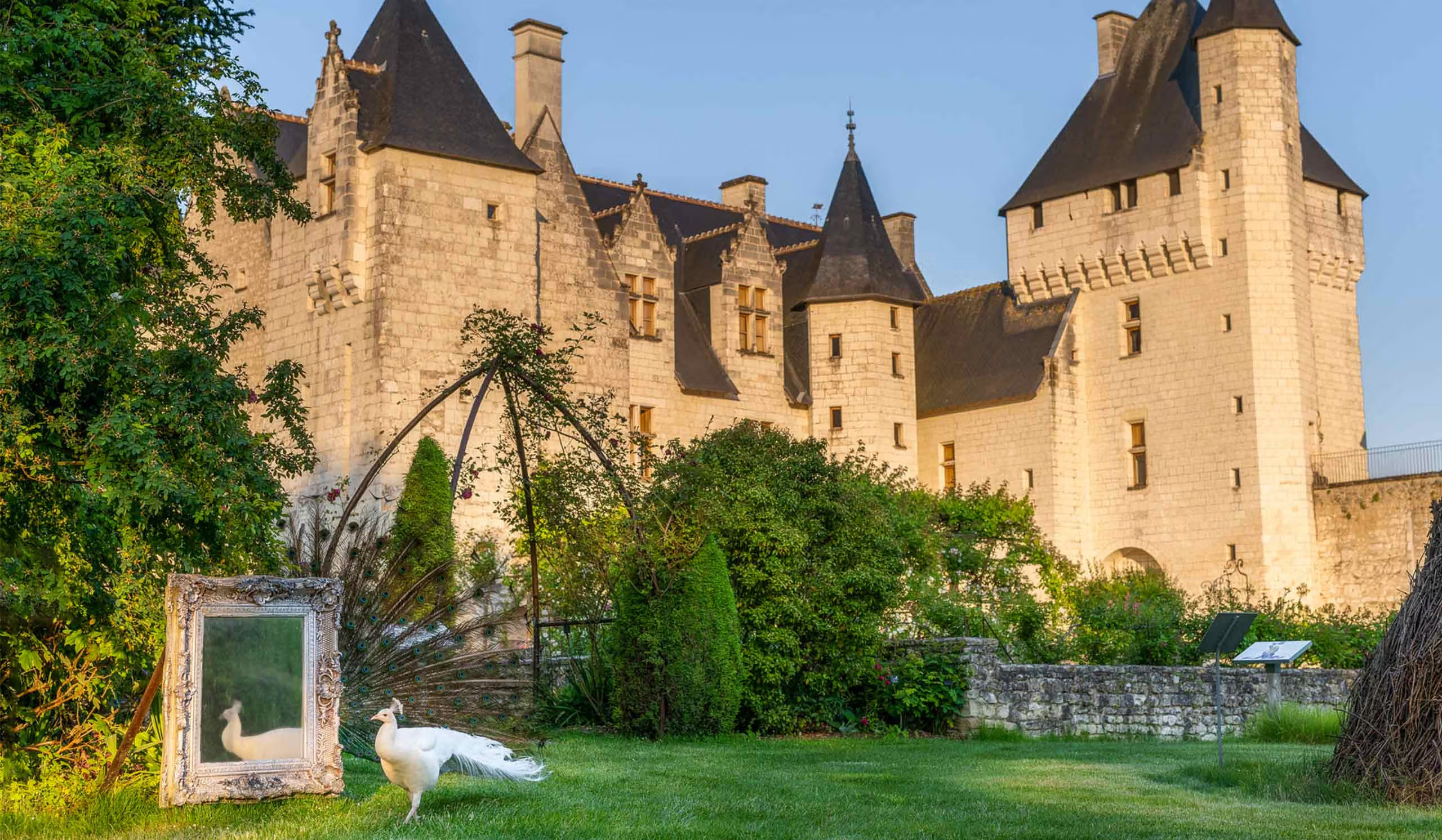
The Château du Rivau is naturally one of the highlights of this celebration. Renowned for the wonder inspired by its art collection and its enchanting gardens, which are classified as a Jardin Remarquable, it will host the early works Le Grand Cirque and Animal Sketching in its monumental stables.
As the inventor of the Mobile, Alexander Calder revolutionised sculpture by infusing it with movement. His works defy the laws of gravity that had hitherto defined this art form.
From the 1920s onwards, driven by an inventive spirit and a sense of humour, Calder explored the possibilities of movement. Using simple, everyday materials —cardboard, paper, corks, clothes pegs, fabric and wire— he brought a teeming world to life. From these humble elements sprang a veritable parade of characters: lions, elephants, horses, trapeze artists, bearded women and even axe throwers, all imbued with a joyful energy.
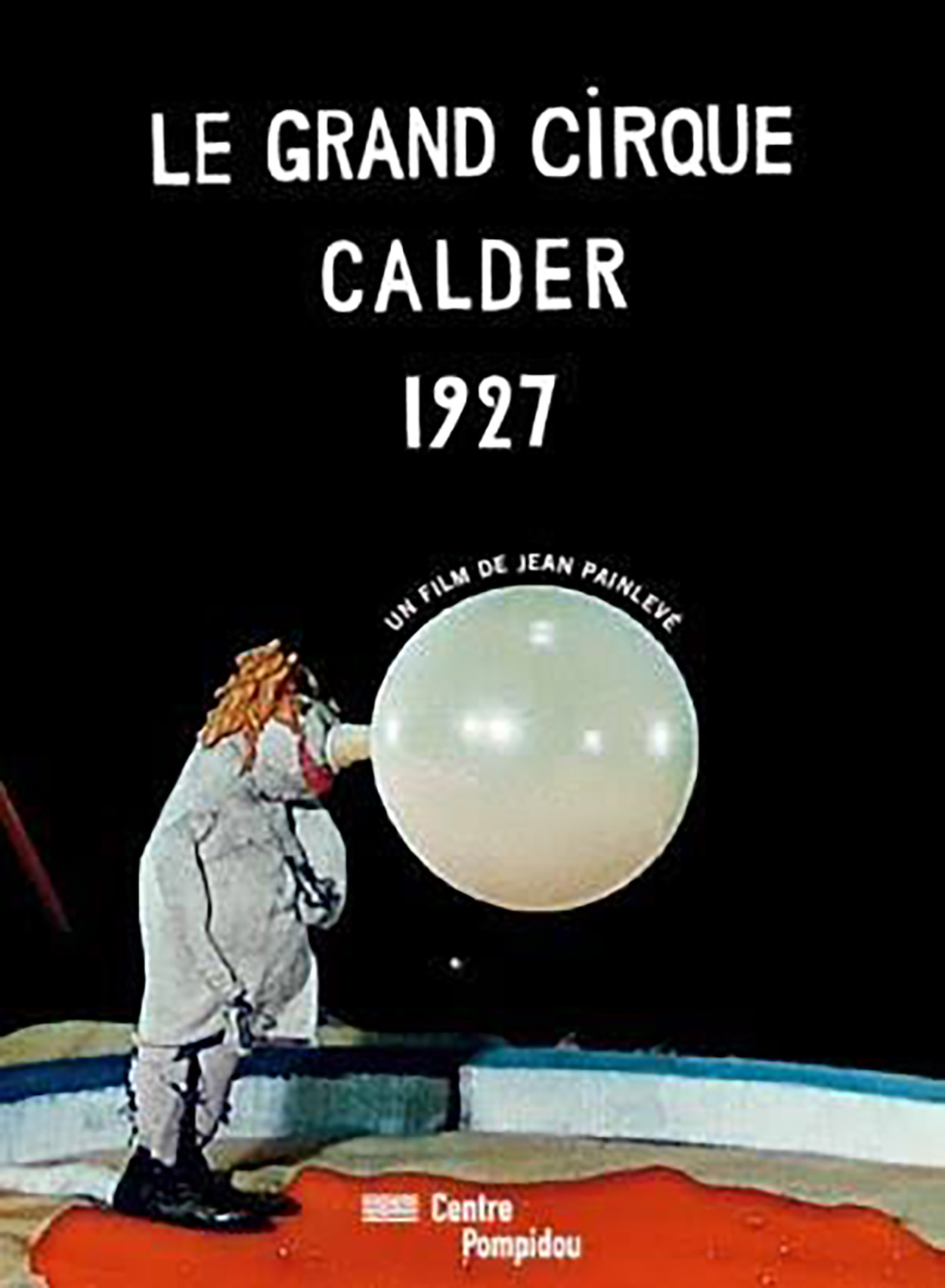
Le Grand Cirque, presented at Le Rivau
through the film by filmmaker Jean Painlevé
Animal-Action with a screening of the book Animal Sketching
To complement this, visitors will gain an understanding of the essence of Calder’s line drawings through a screening of images from the book Animal Sketching (1926), a collection of animal drawings that served as the starting point for his work: animals captured in their essence, in a few lines that also, even at this early stage, convey their movement. The screening brings together the sketches drawn from life in 1925, which were published the following year in the handbook in which Calder emphasises the link between animal and action, with the aim of bringing a form to life using minimal lines.
Practical information
Access is included in the admission ticket for the château and its gardens, at no extra cost and without the need for a booking.
Daily from 15th October to 1st November 2026, from 10.00 to 18.00.
The Tours City Pass : exploring Calder,
To make the most of the various events on offer in Touraine
As part of the Calder au cœur de la France event, organised by the AR(t]CHIPEL festival, the Château du Rivau has joined the special Calder Tours City Pass offered by the Tours-Val de Loire Tourist Office.
This pass gives you access to the exhibitions on display at participating venues across the region. There are places in Touraine accessible with the Tours City Pass : the Olivier Debré Centre for Contemporary Art (CCC OD) in Tours, the Tours Museum of Fine Arts, the Hôtel Goüin, the Château d’Azay-le-Rideau, the Calder Studio in Saché and the Château du Rivau. A wonderful opportunity to (re)discover Touraine through poetry and movement !

As part of the Calder au cœur de la France event
at the AR(t]CHIPEL 2026 festival,
in partnership with the Centre-Val de Loire Region
and the Centre Pompidou.